Introduction
For many years, personal finance advice focused on one thing: save as much money as possible. People were encouraged to cut expenses, avoid fun activities, and put every extra dollar into savings or investments.
However, a new money trend is changing the way people think about saving. It is called Soft Saving.
The soft saving trend has become one of the most talked-about personal finance movements in 2026. Instead of extreme budgeting and strict saving rules, soft saving encourages people to build financial security while still enjoying their lives.
Many young adults, families, and professionals are adopting this approach because it feels more realistic and sustainable. Rather than sacrificing everything for the future, soft saving focuses on balancing present happiness with future financial goals.
Table of Contents
In this article, we will explain what soft saving means, why it is trending, its benefits, possible drawbacks, and how you can use this strategy to improve your financial life.
What Is Soft Saving?
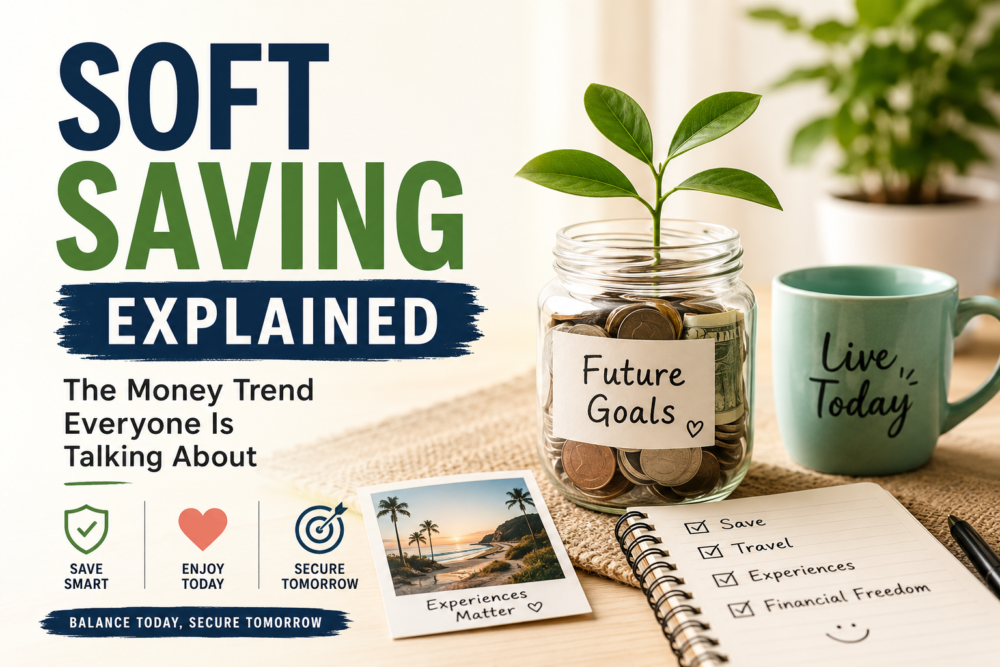
Soft saving is a personal finance approach that focuses on creating a healthy balance between saving money and enjoying life.
Unlike traditional saving methods that often require strict budgeting and major sacrifices, soft saving allows people to spend money on experiences, hobbies, travel, and self-care while still maintaining responsible financial habits.
The idea behind soft saving is simple:
Save enough for your future, but don’t forget to live today.
People who follow this trend believe that financial success is not just about having the largest bank account. It is also about creating a fulfilling and enjoyable life.
For example:
- Building an emergency fund
- Saving for retirement
- Paying bills on time
- Investing regularly
- Enjoying vacations occasionally
- Spending on personal growth and experiences
Soft saving aims to combine all these goals without creating financial stress.
Why Is the Soft Saving Trend Becoming Popular?
Several factors have contributed to the rise of soft saving in recent years.
1. Increased Financial Stress
Many people feel overwhelmed by rising living costs, inflation, housing expenses, and economic uncertainty.
Traditional advice that encourages aggressive saving can sometimes create additional stress. Soft saving offers a more balanced and realistic approach.
2. Changing Priorities
Younger generations increasingly value experiences, mental health, and work-life balance.
Rather than postponing happiness until retirement, many people want to enjoy life while still planning for the future.
3. Social Media Influence
Platforms like Instagram, YouTube, and TikTok have helped spread the concept of soft saving.
Financial creators are encouraging followers to find a healthy middle ground between saving and spending.
4. Burnout From Extreme Budgeting
Strict budgeting can work for some people, but many find it difficult to maintain over long periods.
Soft saving provides flexibility, making it easier to stick with financial goals for years rather than months.
Key Principles of Soft Saving
The soft saving trend follows several important principles.
Build Financial Security First
Soft saving does not mean ignoring your finances.
Before spending on non-essential items, focus on:
- Emergency savings
- Debt repayment
- Monthly expenses
- Retirement contributions
These financial foundations remain important.
Spend Intentionally
Soft savers avoid unnecessary spending but are willing to spend money on things that genuinely improve their lives.
Examples include:
- Family experiences
- Education
- Health and fitness
- Travel
- Personal development
The goal is intentional spending rather than impulsive spending.
Avoid Financial Guilt
Many people feel guilty whenever they spend money.
Soft saving encourages responsible spending without constant guilt, provided your financial priorities are being met.
Focus on Balance
Balance is the core idea of soft saving.
You do not need to save every penny, and you do not need to spend every paycheck.
Finding the right balance helps create long-term financial success.
Benefits of Soft Saving
Reduced Financial Anxiety
One major advantage of soft saving is lower stress levels.
People often feel more comfortable following a financial plan that allows room for enjoyment and flexibility.
Better Long-Term Habits
Extreme saving plans can sometimes fail because they feel restrictive.
Soft saving encourages habits that are easier to maintain over time.
Improved Mental Well-Being
Financial health and mental health are closely connected.
Having permission to enjoy life while still managing money responsibly can improve overall happiness.
More Sustainable Budgeting
A flexible budget is often easier to follow than a strict one.
People are more likely to stick with a plan that includes room for entertainment and personal enjoyment.
Encourages Mindful Spending
Soft saving promotes thoughtful financial decisions rather than emotional or impulse purchases.
This can lead to better financial outcomes over the long run.
Potential Drawbacks of Soft Saving
Although soft saving offers many benefits, it is not perfect.
Risk of Overspending
Without clear boundaries, some people may spend more than they should.
That is why budgeting remains important even within a soft saving strategy.
Slower Wealth Building
People who save aggressively may reach financial goals faster.
Soft savers may take longer to build large investment portfolios because they allocate some money toward current enjoyment.
Requires Self-Discipline
Soft saving still requires financial responsibility.
You must understand the difference between intentional spending and unnecessary spending.
How to Start Soft Saving Today
If you want to try soft saving, follow these simple steps.
Step 1: Create an Emergency Fund
Aim to save at least three to six months of essential living expenses.
This creates financial security and peace of mind.
Step 2: Set Clear Financial Goals
Identify your priorities, such as:
- Buying a home
- Retirement planning
- Debt repayment
- Education savings
- Travel goals
Clear goals help guide your financial decisions.
Step 3: Use the 80/20 Rule
A simple approach is to allocate:
- 80% for needs, savings, and investments
- 20% for enjoyment and personal spending
You can adjust these percentages based on your financial situation.
Step 4: Automate Savings
Set up automatic transfers to your savings or investment accounts.
This ensures your future goals remain on track.
Step 5: Budget for Fun
Include a category specifically for enjoyment.
Whether it is dining out, hobbies, or travel, planning for these expenses can prevent overspending.
Step 6: Review Monthly Progress
Track your spending and savings each month.
Make adjustments when necessary to maintain balance.
Soft Saving vs Traditional Saving
| Traditional Saving | Soft Saving |
|---|---|
| Focuses heavily on saving | Focuses on balance |
| Often strict budgeting | More flexible budgeting |
| Delayed gratification | Balanced gratification |
| Aggressive financial goals | Sustainable financial goals |
| Can feel restrictive | Can feel more enjoyable |
Neither approach is universally better.
The best choice depends on your goals, personality, and financial situation.
Who Should Consider Soft Saving?
Soft saving may be a good fit for:
- Young professionals
- Millennials and Gen Z workers
- Families seeking balance
- Individuals recovering from financial burnout
- People who struggle with strict budgeting
However, those facing serious debt problems or lacking emergency savings may need to focus more heavily on traditional saving methods before adopting a softer approach.
The Future of Soft Saving
As financial priorities continue to evolve, soft saving is likely to remain a major trend in personal finance.
People increasingly want a financial strategy that supports both present enjoyment and future security.
The trend reflects a broader shift toward balanced living, mental well-being, and sustainable financial habits.
Financial experts expect more budgeting apps, savings tools, and financial education platforms to incorporate soft saving principles in the coming years.
Top 5 Frequently Asked Questions (FAQs)
1. What is the Soft Saving trend?
Soft Saving is a personal finance approach that focuses on balancing saving with enjoying the present. Instead of aggressively saving every rupee, people prioritize financial stability while also spending on experiences, wellness, and personal happiness.
2. Is Soft Saving better than traditional saving?
Neither approach is universally better. Traditional saving emphasizes maximizing long-term wealth, while Soft Saving aims to create a healthier balance between financial security and quality of life. The best strategy depends on your financial goals and responsibilities.
3. Can I build wealth while following the Soft Saving trend?
Yes. You can still build wealth by maintaining an emergency fund, investing regularly, avoiding unnecessary debt, and spending intentionally. Soft Saving encourages mindful spending rather than reckless spending.
4. Who should consider the Soft Saving approach?
Soft Saving may suit individuals who have a stable income, manageable debt, and clear financial goals but want to enjoy life without feeling guilty about every expense. However, those with high debt or limited savings should prioritize building financial security first.
5. How can I practice Soft Saving responsibly?
Start by creating a realistic budget, automating savings, investing consistently, limiting impulse purchases, and allocating a portion of your income for experiences or hobbies. This helps maintain a healthy balance between enjoying today and preparing for tomorrow.
Conclusion
The soft saving trend is changing the way people think about money in 2026.
Instead of choosing between saving and enjoying life, soft saving encourages a healthy balance between the two.
By building financial security, spending intentionally, and avoiding unnecessary guilt, people can create a more sustainable and enjoyable relationship with money.
The goal is not to save every dollar or spend every dollar. The goal is to make smart financial decisions that support both your future goals and your current happiness.
When practiced responsibly, soft saving can help you reduce financial stress, build better money habits, and enjoy life along the way.
Remember: financial success is not just about how much money you save. It is also about creating a life you truly enjoy while staying financially secure.
Final Thoughts
Saving money shouldn’t mean sacrificing every moment of happiness, and enjoying life shouldn’t come at the cost of your financial future. The Soft Saving trend reminds us that personal finance is about finding the right balance between living well today and preparing for tomorrow.
Whether you choose a traditional savings approach or embrace Soft Saving, the key is to spend intentionally, save consistently, and invest wisely. Build an emergency fund, avoid unnecessary debt, and let your financial decisions align with your personal goals not social media trends.
At the end of the day, the best money strategy is one that helps you enjoy life while creating long-term financial security. Make your money work for you, not against you.
Disclaimer
The information provided in this article is for educational and informational purposes only and should not be considered financial, investment, legal, or tax advice. The “Soft Saving” trend reflects changing consumer behavior and personal finance preferences, but it may not be suitable for everyone’s financial situation.
Financial decisions should always be based on your income, expenses, financial goals, risk tolerance, and long-term plans. Before making significant changes to your saving or investment strategy, consider consulting a qualified financial advisor.
RicherGuide does not endorse any specific financial product, investment, or savings strategy. Readers are encouraged to conduct their own research and make informed financial decisions based on their individual circumstances.