
Your 20s and 30s are the most important years for building a strong financial future. The habits you develop during this time can shape your wealth, lifestyle, and freedom for decades. The good news is that you don’t need to be rich to start you just need to follow some smart money rules consistently.
Table of Contents
Here are 10 simple and powerful money rules that can help you take control of your finances and build long-term wealth.
1. Pay Yourself First
Before you spend money on anything else, save a portion of your income. This is called “paying yourself first.”
Even if it’s just 10–20% of your income, make it a habit. Set up automatic transfers to your savings or investment account so you don’t forget. Saving first ensures that your future is always a priority.
2. Create and Follow a Budget
A budget helps you understand where your money is going. Without a plan, it’s easy to overspend.
Use a simple method like:
- 50% for needs (rent, food, bills)
- 30% for wants (shopping, entertainment)
- 20% for savings and investments
Tracking your expenses regularly will help you stay in control and avoid unnecessary debt.
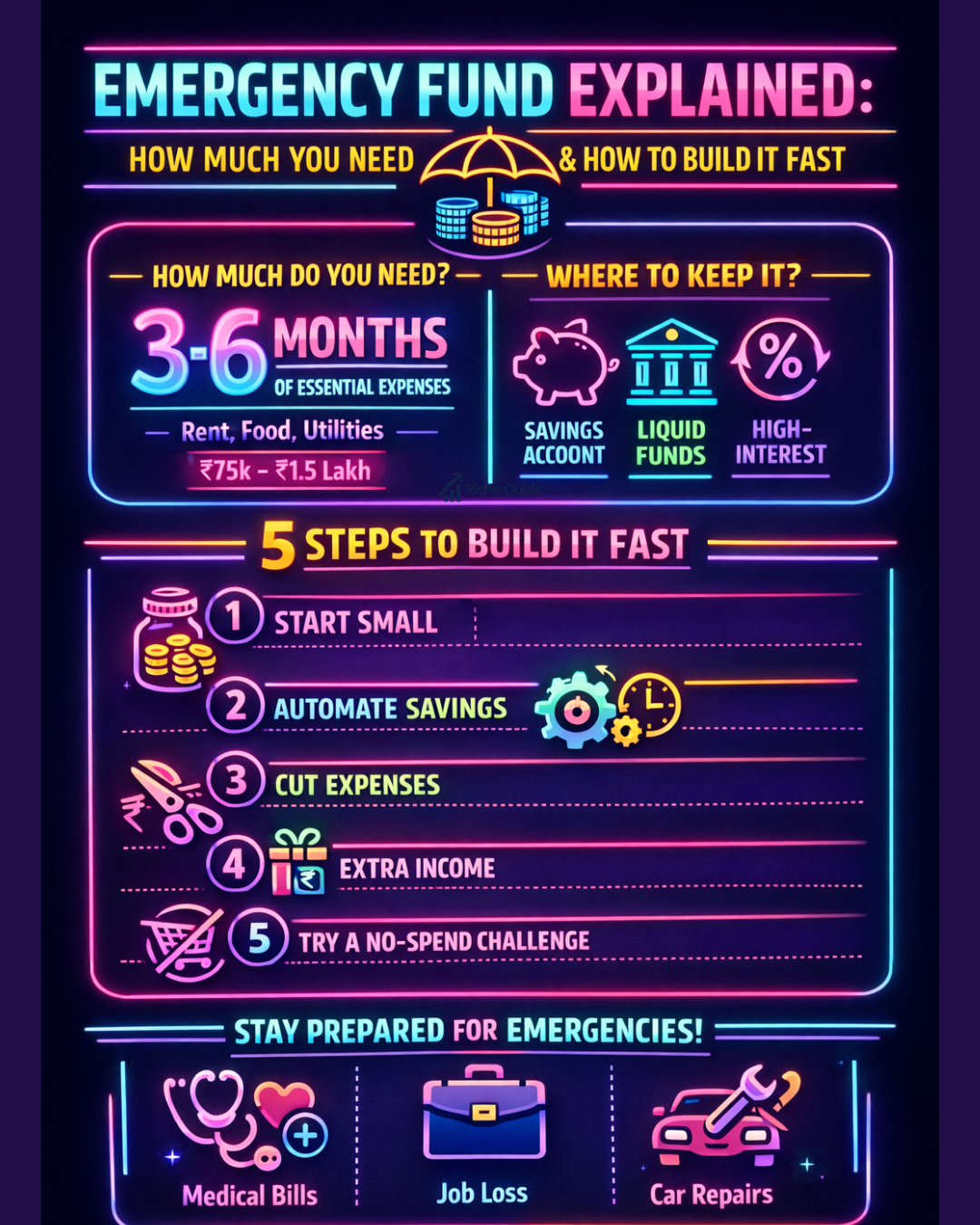
3. Build an Emergency Fund
Life is unpredictable. You may face job loss, medical emergencies, or unexpected expenses.
That’s why you should build an emergency fund with at least 3–6 months of living expenses. Keep this money in a separate account so you don’t use it for daily spending.
This fund gives you peace of mind and financial security.
4. Avoid Unnecessary Debt
Debt can slow down your financial growth, especially high-interest debt like credit cards.
Use credit wisely:
- Avoid spending more than you can repay
- Pay your bills on time
- Keep your credit utilization low
If you already have debt, focus on paying it off as quickly as possible.
5. Start Investing Early
Time is your biggest advantage when it comes to investing. The earlier you start, the more you benefit from compounding.
Even small amounts invested regularly can grow into a large sum over time. You can start with:
- Mutual funds
- Index funds
- Retirement accounts
Don’t wait for the “perfect time” start now, even if it’s small.
6. Increase Your Income
Saving is important, but there’s a limit to how much you can cut expenses. Increasing your income can speed up your financial growth.
Ways to do this include:
- Learning new skills
- Asking for a raise
- Starting a side hustle
- Freelancing
More income means more opportunities to save and invest.
7. Avoid Lifestyle Inflation
As your income increases, it’s tempting to upgrade your lifestyle better gadgets, bigger house, more spending.
But this can keep you stuck financially.
Instead, maintain your lifestyle and increase your savings rate. Spend wisely, not emotionally.
8. Protect Yourself with Insurance
Many people ignore insurance in their 20s and 30s, but it’s a critical part of financial planning.
Make sure you have:
- Health insurance
- Life insurance (if you have dependents)
Insurance protects your savings from unexpected financial shocks.
9. Set Clear Financial Goals
Without goals, it’s hard to stay motivated.
Set both short-term and long-term goals, such as:
- Buying a house
- Starting a business
- Early retirement
Write them down and track your progress. Goals give direction to your money.
10. Keep Learning About Money
Financial knowledge is one of the best investments you can make.
Read books, watch videos, follow finance blogs, and stay updated. The more you learn, the better decisions you’ll make.
Remember, managing money is a skill and skills improve with time and practice.
Final Thoughts
Your 20s and 30s are not about being perfect with money they are about building strong habits. Small steps taken today can lead to big results in the future.
Start saving early, invest wisely, avoid unnecessary debt, and always keep learning. These smart money rules will help you create a stable and successful financial life.
The best time to take control of your money was yesterday. The second-best time is today.