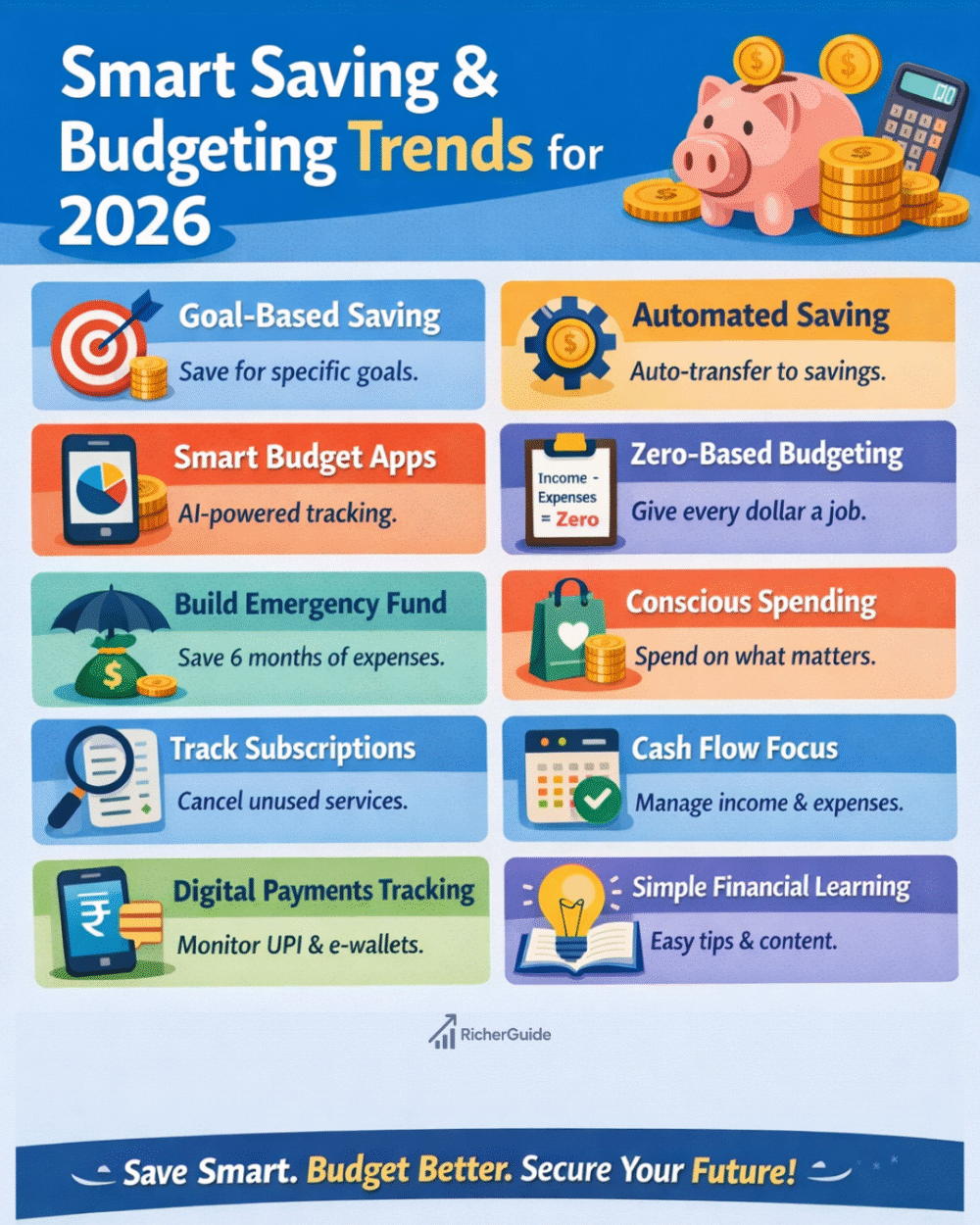
As we move into 2026, the way people save and manage money is changing fast. Rising living costs, digital payments, and new financial tools are pushing people to become smarter with their money. Saving is no longer just about cutting expenses. Budgeting is no longer about strict rules. In 2026, it is all about balance, flexibility, and smart habits.
Let’s explore the biggest saving and budgeting trends for 2026 and how you can use them to improve your financial life.
Table of Contents
1. Goal-Based Saving Is Becoming Popular
In 2026, people are saving with a clear purpose. Instead of saying “I want to save money,” they are setting specific goals like building an emergency fund, planning a vacation, buying a home, or retiring early.
Goal-based saving helps people stay motivated. When you know why you are saving, it becomes easier to avoid unnecessary spending. Many banking apps now allow users to create separate savings goals and track progress visually.
Simple tip:
Write down your top 3 money goals and assign a monthly saving amount to each one.
2. Automated Saving Is the New Normal
Automation is one of the biggest trends in 2026. People are using auto-transfer features to move money into savings as soon as they receive their income.
This “save first” approach removes the temptation to spend. Once the money is saved automatically, you learn to live on what’s left.
Many apps also round up spare change from daily purchases and add it to savings. Small amounts saved daily can grow into big money over time.
Simple tip:
Set up an automatic transfer for savings on your salary day.
3. Budgeting Apps Are Smarter Than Ever
Budgeting apps in 2026 are not just trackers. They use artificial intelligence to analyze spending habits and give personalized suggestions.
These apps show where your money goes, alert you when you overspend, and suggest areas where you can save. Some even predict upcoming expenses so you can plan better.
People prefer simple dashboards with charts instead of long lists of expenses. Visual budgeting is helping users stay consistent.
Simple tip:
Use one budgeting app and check it once a day for two minutes.
4. Zero-Based Budgeting Is Gaining Attention
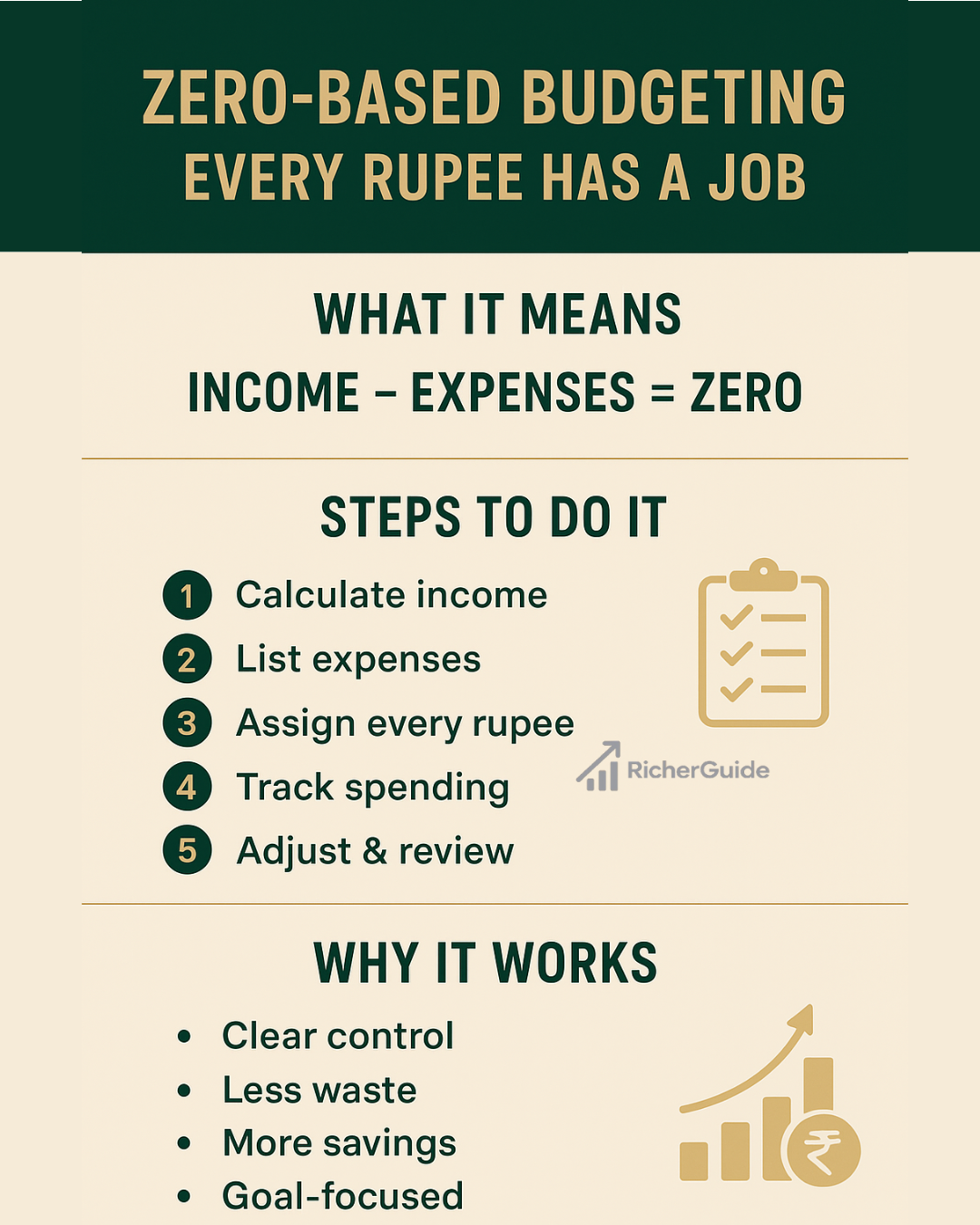
Zero-based budgeting is becoming popular again in 2026. In this method, every rupee or dollar is given a job. Income minus expenses equals zero.
This does not mean spending everything. Savings, investments, and debt payments are also part of the budget.
This trend helps people become more intentional with money and avoid mindless spending.
Simple tip:
Plan your budget before the month starts, not after it ends.
5. Emergency Funds Are a Top Priority
After recent global uncertainties, people understand the importance of emergency funds. In 2026, building a safety net is one of the top financial goals.
Financial experts recommend saving at least 6 months of living expenses. Many people are keeping this money in high-interest savings accounts for easy access.
Emergency funds reduce stress and prevent debt during unexpected situations.
Simple tip:
Start small. Even saving one month’s expenses is a great first step.
6. Conscious Spending Is Replacing Cheap Spending
In 2026, people are not just looking for cheaper options. They are focusing on value-based spending.
Conscious spending means spending on things that truly matter and cutting costs on things that don’t. This trend encourages better financial decisions without feeling restricted.
People are choosing quality over quantity and experiences over material items.
Simple tip:
Ask yourself, “Is this purchase adding value to my life?”
7. Subscription Tracking Is Essential
Subscriptions are everywhere streaming platforms, apps, fitness programs, and online tools. In 2026, people are actively tracking and canceling unused subscriptions.
Many budgeting apps now highlight recurring payments to help users control monthly expenses.
Reducing unused subscriptions is one of the easiest ways to save money without changing lifestyle.
Simple tip:
Review your subscriptions once every three months.
8. Cash Flow Management Matters More Than Income
People in 2026 are realizing that managing cash flow is more important than earning more money. Even high-income earners struggle if they don’t control spending.
Tracking income and expenses weekly helps people avoid surprises and stay on track with goals.
This trend encourages regular money check-ins instead of ignoring finances.
Simple tip:
Do a 10-minute weekly money review.
9. Digital Wallets and UPI Tracking
With the rise of digital payments, tracking small daily expenses has become important. People are becoming more mindful of how often they spend using digital wallets.
Many apps now categorize digital spending automatically, helping users understand their habits better.
Simple tip:
Set daily spending limits for digital payments.
10. Financial Education Through Simple Content
In 2026, people prefer simple, short, and practical financial education. Blogs, reels, podcasts, and infographics are helping people learn money basics easily.
Instead of complex financial terms, simple language and real-life examples are winning trust.
This trend is helping more people start their saving and budgeting journey confidently.
Simple tip:
Learn one money concept each week and apply it.
Final Thoughts
Smart saving and budgeting in 2026 is not about being perfect. It is about being consistent. Small habits, clear goals, and smart tools can make a big difference over time.
You don’t need to earn more to save more. You need a plan that fits your lifestyle. Start with one trend, build slowly, and stay consistent. Your future self will thank you.