When Your Budget Starts to Fail
You diligently create a monthly budget, listing your income and expenses carefully. But halfway through the month, you find yourself overspending. Sound familiar? You’re not alone. Even the most meticulously planned budgets can derail unexpectedly due to unplanned life changes, rising costs, or habits creeping in unnoticed. The great news is that budgets are adaptable. With a few strategic fixes, you can get your finances back on track and make your budget truly work for you.
Table of Contents
1. Identify the Real Problem
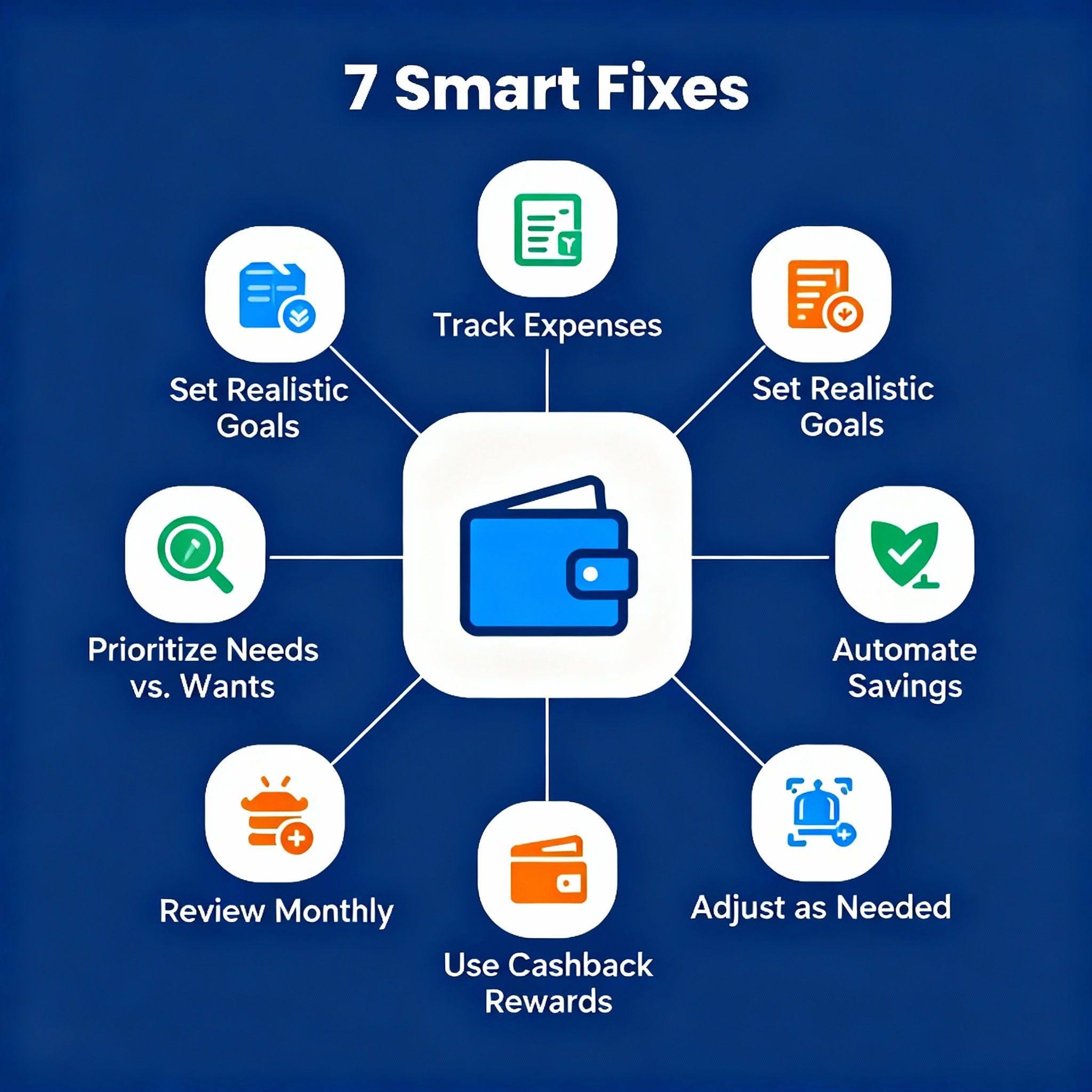
Before abandoning your budget, take time to diagnose where things go wrong. Are you underestimating key expenses like groceries or fuel? Do surprise costs such as medical bills, repairs, or celebrations throw you off? Or is your income or spending irregular? Many budgets fail because they’re based on rough guesses rather than actual data. Review your past 2-3 months of bank statements or expense tracking apps to uncover the real flow of your money.
2. Track Every Rupee — For Real
Budgeting isn’t effective unless you track every expense. Many people estimate they spend ₹5,000 on food but end up spending ₹8,000. Tracking your spending daily with a notebook, a spreadsheet, or apps like Walnut, Money Manager, or Google Sheets helps reveal these gaps early. Weekly reviews of your spending empower you to cut unnecessary expenses before the overspending compounds.
3. Recheck Your Budget Categories
Sometimes budgets fail because their expense categories and allocations are outdated or unrealistic. For instance, if your rent increased but your budget still allocates the old amount, you’ll never balance. Try following the tried-and-tested 50-30-20 rule as a guideline:
| Category | Percentage of Income | Examples |
|---|---|---|
| Needs | 50% | Rent, groceries, utilities |
| Wants | 30% | Dining out, entertainment, shopping |
| Savings & Debt | 20% | Emergency fund, loan payments |
Adapt these categories to your current situation instead of blindly following formulas.
4. Cut the “Silent Budget Killers”
Some expenses quietly eat away at your budget, unnoticed until it’s too late. These include:
- Unused subscription services (music, OTT platforms, gym apps)
- Frequent food deliveries or impulse snacks
- Late payment or ATM fees
- Automatic renewals you forgot about
Conduct a subscription audit and cancel unused services. Plan your meals and grocery lists to limit expensive takeout. Every tiny saving adds vital breathing room to your budget.
5. Be Flexible — Life Isn’t Static
Your budget should be a living, breathing plan that evolves as your circumstances change. New jobs, rent adjustments, family needs — all influence your finances. Trying to force-fit new expenses into an old budget leads to frustration and failure. Think of budgeting like adjusting your route on Google Maps; when you hit traffic, you reroute. Regular monthly or quarterly budget reviews keep your plan relevant and practical.
6. Set Realistic Goals, Not Perfect Ones
One key reason for budget failure is the pursuit of perfection. People set overly ambitious saving goals and quit when they miss them. Instead, focus on progress, however small. Winning looks like:
- Cooking at home three times a week instead of dining out
- Reducing daily coffee runs
- Tracking daily expenses for a month
Small, achievable habits build sustainable financial health. Remember, the goal isn’t a perfect budget but a functional and lasting one.
7. Build a Cushion for “Oops” Moments
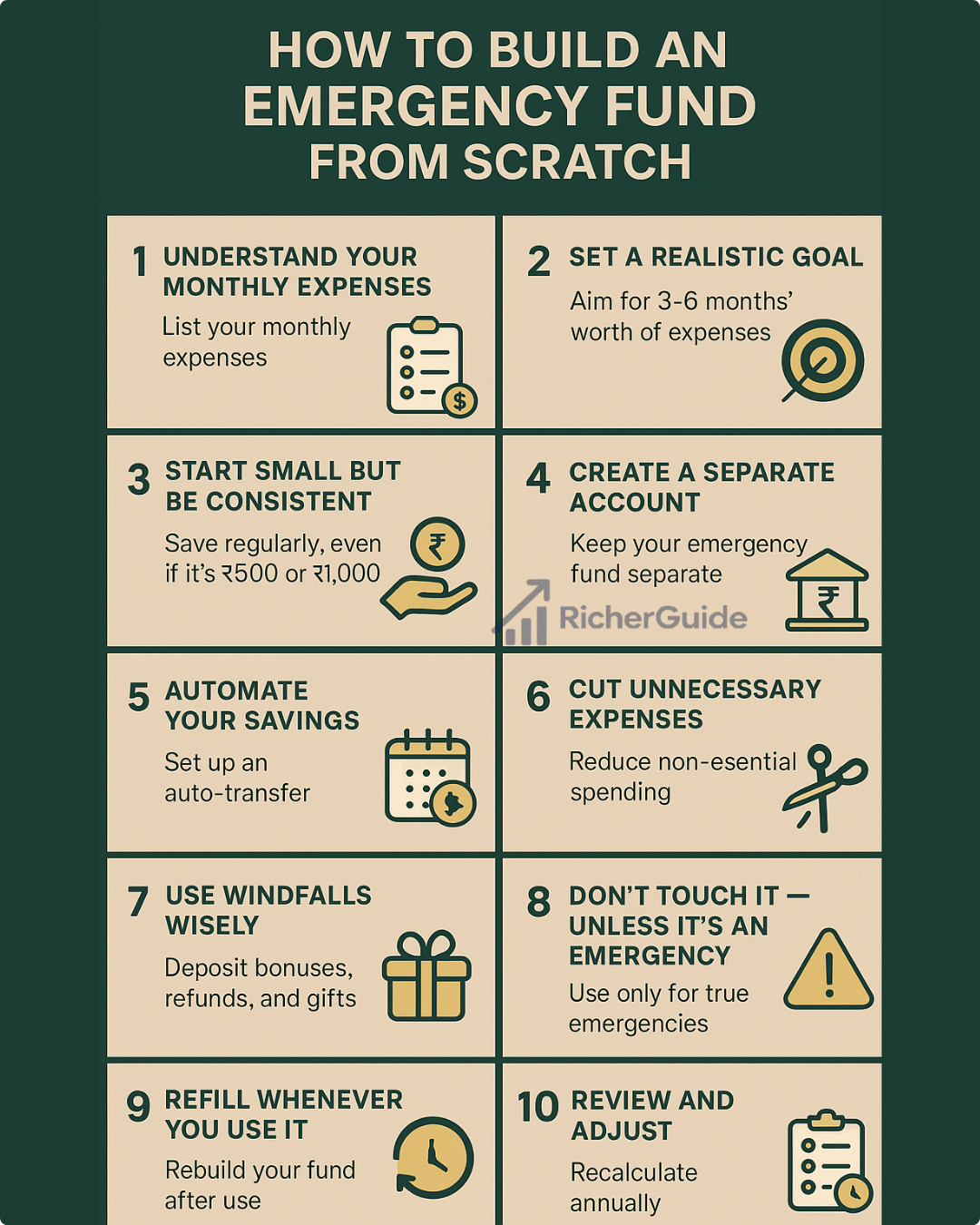
Unexpected expenses — whether a car repair, medical bill, or festival — can wreck the best budgets. An emergency fund cushions these surprises. Aim to save 3-6 months of essential expenses. Start small, even ₹500 a week compounds over time. Keep this fund in a separate savings account for easy access when needed.
Bonus Tip: Automate What You Can
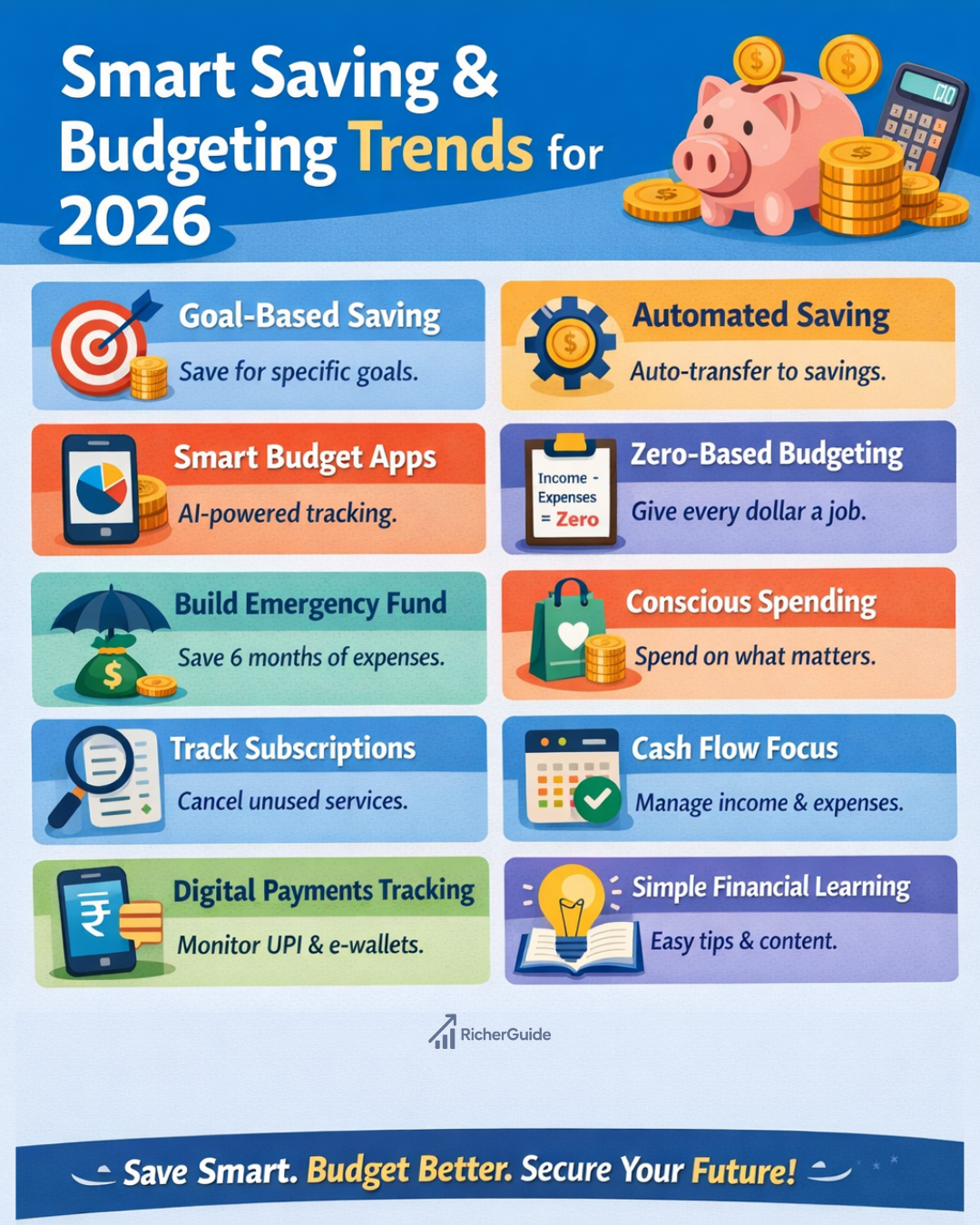
Automation removes temptation and friction in budgeting. Set up automatic transfers for savings or SIPs right after you receive your salary. Schedule bill payments and use payment reminders to avoid late fees. Automating your finances makes saving effortless and keeps your budget on track.
Final Thoughts: Budgets Are Tools, Not Traps
Budgets are guides for your financial life, not rigid rules. If your budget isn’t working, it doesn’t mean you’ve failed, it means your life has changed, and your budget needs to catch up.
Be patient with yourself. Money management is a skill that gets better with practice. Review actual expenses, adjust categories, eliminate silent costs, remain flexible, and celebrate small wins. With mindful awareness, you’ll regain control of your money and boost your confidence.
Useful Links
- For expense tracking apps: Walnut | Google Sheets
- To learn more about emergency funds and budgeting: RicherGuide Emergency Fund Video
- Explore budgeting methods: 50-30-20 Rule
Disclaimer
This blog is for informational purposes only and does not constitute financial advice. For personalized financial planning and advice tailored to your individual situation, please consult a certified financial advisor. Budgeting results may vary based on personal circumstances.